
Prenatal-Three Homelessness and Housing Instability: State Capacity-Building Initiative
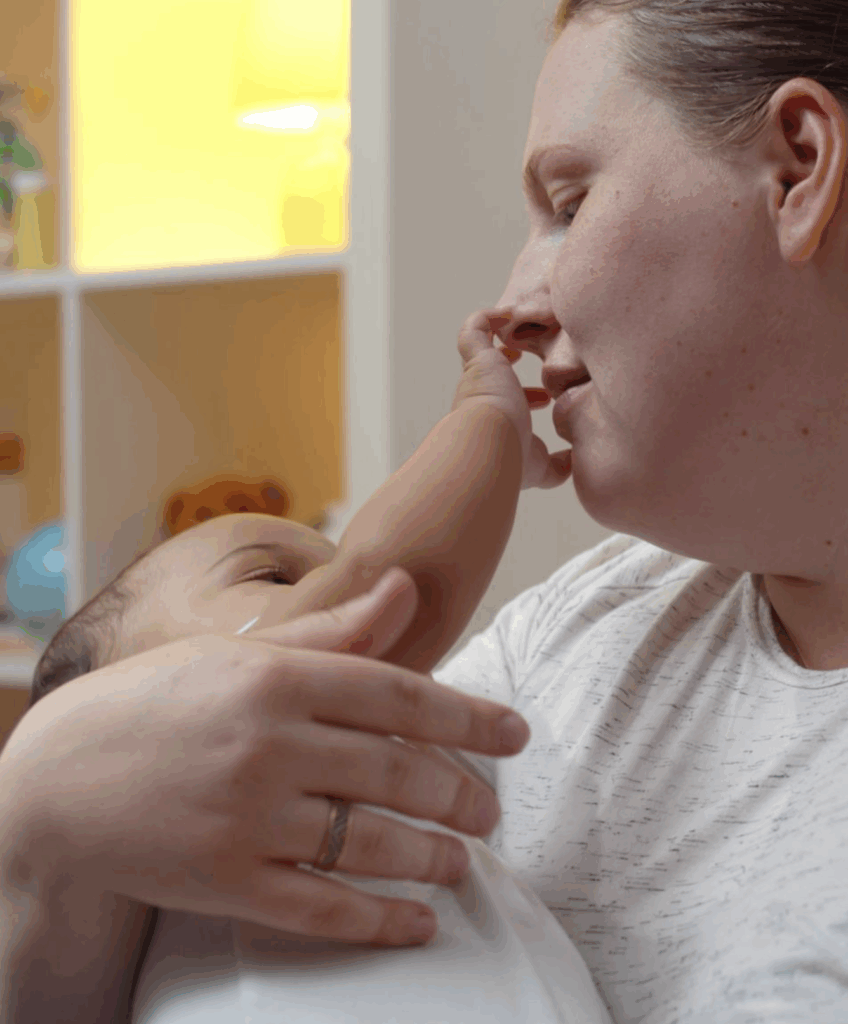
Every infant and toddler deserves the best possible start and to make that possible, we need bold, lasting policy change.
The data tells us that children are at greatest risk for experiencing homelessness during their first year of life and the number of families in homeless shelters is rising. There is a prevalence of housing instability and homelessness among pregnant people and families with young children and yet few seem to be aware of this issue. We know that when families have safe, stable housing—safe shelter when they need it—access to high-quality early development programs, family-friendly policies and other supports that meet their needs, young children have a strong foundation to grow and thrive.
A group of national partners (ZERO TO THREE, SchoolHouse Connection, Prevent Child Abuse America, and Housing Is) came together in 2024 to focus on the issue of PN-3 homelessness and housing instability. Through input from other local, state and national leaders, they developed the Thrive From the Start Initiative with a national policy agenda focused on solving PN-3 homelessness and housing instability.
ZERO TO THREE, through its coordination of the Thrive From the Start Initiative and with its national partners, is offering funding and intensive consultation support to multi-sector state teams to focus on policy priorities impacting families from the prenatal period to age three who are homeless and/or experiencing housing instability.

The Thrive From the Start Initiative seeks to partner with statewide teams (existing or created through this opportunity) working to educate key constituencies in their state and localities about the impact of housing instability and homelessness on the PN-3 population and their families. This includes elevating evidence-informed programs and policies that create a comprehensive system that supports families and address the root causes of homelessness. This work should have a distinct focus on infants, toddlers and expectant parents experiencing homelessness and housing instability.
These partnerships should be inclusive of leaders across multiple sectors including housing, homelessness, early childhood and health, among others.
By the end of 2025 we anticipate making approximately 10 awards of up to $100,000 each with each grant lasting for a period of 18 months and concluding in June 2027.